Organic agriculture is rooted in simple values: healthy soil grows healthy food, healthy communities, and a healthier future. Whether you are a farmer, student, agronomist, or conscious eater, chances are you have seen the impact organic farming can have on the land and the people connected to it.
But organic is more than a label. It is a commitment to practices that build soil health, and a systems-based approach to farming that protects natural resources, strengthens biodiversity, and supports long-term farm and community resilience.
When organic agriculture first gained national momentum, farmers and ranchers across the country pushed for stronger standards and accountability in the marketplace. Their advocacy led to the launch of the United States Department of Agriculture’s (USDA) National Organic Program in 2001, helping ensure consumers everywhere could trust what organic really means. Today, millions of people choose certified organic food every day thanks to the dedication of farmers, ranchers, researchers, and advocates working to build a more resilient food system.
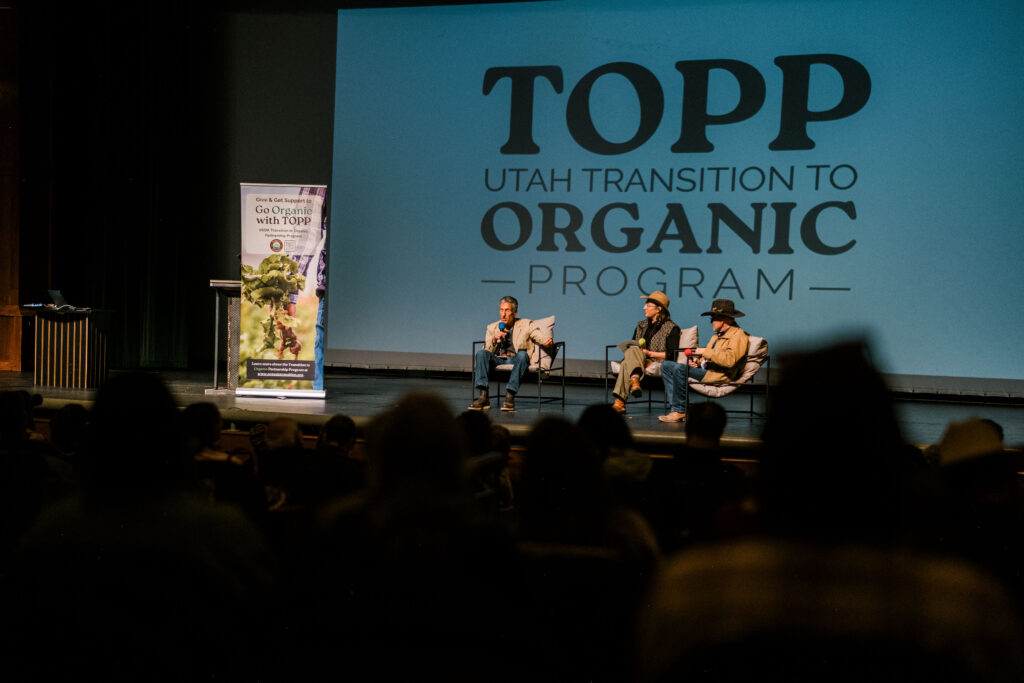
That momentum continues to grow. Through the USDA’s Transition to Organic Partnership Program, known as TOPP, farmers across the country are gaining access to mentorship, technical assistance, and resources that support the transition to organic agriculture.
At the CCOF Foundation, we are proud to help lead this work. As stewards of the Western and Southwestern Regional Center for Organic Transition, we convene more than 50 nonprofit organizations, universities, and technical assistance partners working together to support more than 500 farmers across our region that serves California, Texas, Arizona, Nevada, Hawaii, Utah, and New Mexico.
Alongside our national TOPP partners, across the United States we have helped transition more than 340,000 acres of farmland into certified organic management. That means healthier soil, cleaner waterways, stronger ecosystems, and farmland that can continue feeding communities for generations to come.
How TOPP Supports Organic Farmers:
- More than 230 partner organizations nationwide are participating in TOPP, including nonprofits, universities, research institutions, and farmer mentor networks
- More than 340,202 acres of farmland have been transitioned and tracked into certified organic management
- 357 organic agriculture mentors have supported 595 farmer mentees through education and hands on guidance
- 1,607 organic producers received direct technical assistance
- More than 1,802 events have been hosted nationwide, including field days, workshops, conferences, webinars, and trainings for agricultural professionals
- More than 2,844 technical assistance engagements have taken place across the country
Organic agriculture is not a trend. It is an investment in the future of farming. Every acre transitioned, every farmer supported, and every partnership built brings us one step closer to a healthier and more resilient food system for all.