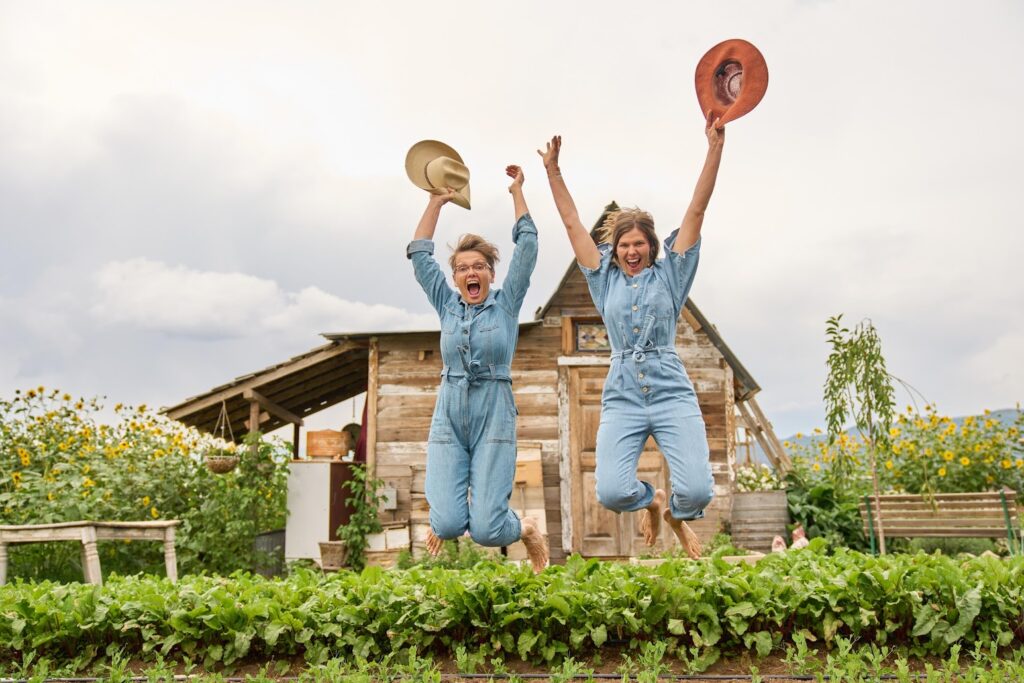
Cómo Symbria Patterson impulsó la agricultura orgánica en Utah
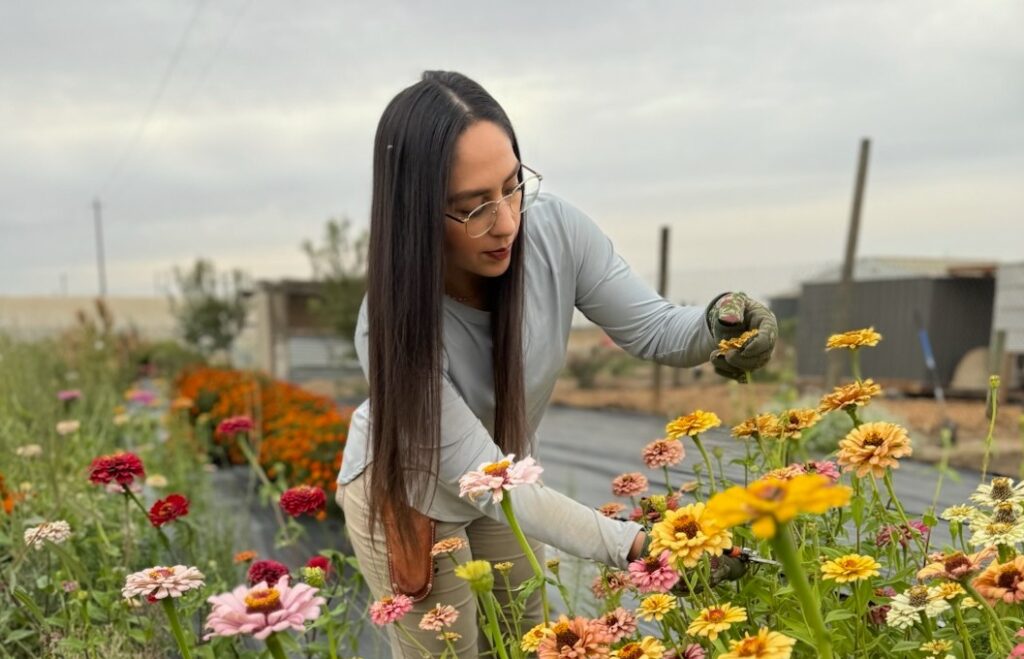
Symbria Patterson aplicó las habilidades adquiridas a lo largo de su carrera en el sector sin fines de lucro a su trabajo de tiempo completo apoyando a Granja Red Acre, una granja orgánica sostenible ubicada en Cedar City, Utah. Red Acre Farm es un negocio familiar fundado por Sara, la hija de Patterson, junto con Lynn, el esposo de Patterson.
Patterson cree firmemente en apoyar buenas causas, hacer que los alimentos locales sean accesibles y educar a la comunidad en general sobre la alimentación saludable y las fuentes responsables. Junto con su hija Sara, cofundó Red Acre Center, una organización sin fines de lucro con un próspero programa de suscripción a la CSA que da la bienvenida al público a su granja para eventos educativos. Como dice su sitio web: “Nos dedicamos a cultivar, criar y cocinar alimentos que nutren nuestra tierra, nuestra comunidad y nuestras almas”.”
Su granja cuenta ahora con la certificación orgánica de CCOF, una transición que fue posible gracias al Programa de Asociación para la Transición a la Agricultura Orgánica (TOPP), financiado por el USDA. Este programa es una iniciativa a nivel nacional de EE. UU. destinada a brindar mentoría, asistencia técnica y apoyo integral a los productores orgánicos existentes y a aquellos en proceso de transición. Aunque finalizará en 2026, el programa ha ayudado a innumerables agricultores con historias de éxito similares a la de Patterson.
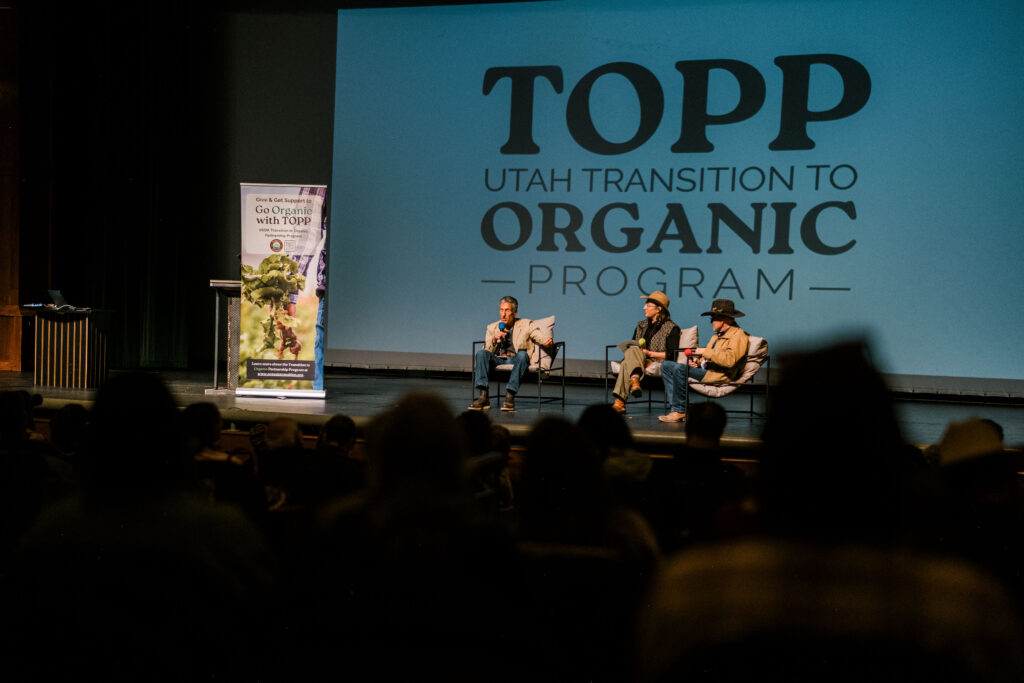
“Sin duda alguna, nos convertimos en una granja orgánica certificada gracias a este programa”, dice Patterson. “Lo hicimos para tener credibilidad y poder enseñar desde una posición de autoridad, como para decir: ”Así es realmente como funciona la certificación’. Gracias a la subvención, pudimos destinar los fondos a capacitar a los agricultores, organizar conferencias y llevar a cabo otros eventos que ayudaron a la gente a entender de qué se trata realmente la agricultura orgánica». A través del programa TOPP, la hija de Patterson se convirtió en mentora para ayudar a otros aspirantes a agricultores orgánicos.
Patterson destaca que la falta de educación es un obstáculo importante para que los agricultores obtengan su certificación orgánica. “Cuando comenzamos nuestra conferencia hace años”, recuerda, “la llamábamos la ‘palabra con O’‘. No podíamos decir que era una conferencia ’orgánica‘, porque para mucha gente aquí en Utah, ’orgánico” significaba un grupo de hippies liberales de California. No confiaban en eso».”
Sin embargo, Patterson hizo todo lo posible por informar a la gente. “Una vez, en Walmart, pregunté si tenían limones orgánicos. El tipo que estaba a mi lado se rió y me dijo: ‘Esa etiqueta no significa nada’. Le respondí: ‘¡Vaya, le acabas de decir eso a la persona equivocada!’”.”
Una vez que se introdujo el programa TOPP hace tres años y medio, Patterson notó que la opinión de la comunidad estaba cambiando. “Ahora que existe esta subvención oficial, se puede hablar de lo orgánico y de querer hacer la transición como algo positivo”, dice. “Los agricultores necesitaban este componente educativo, así que cuando la gente pregunta: ‘¿De verdad le importa al gobierno federal esta etiqueta, el hecho de no usar productos químicos?’, podemos señalar la subvención y decir: ‘¡Sí, miren, ¡de verdad les importa!’. De repente, cuando hay dinero del gobierno de por medio, las personas que antes no habrían prestado atención ahora están escuchando”.”
Para Patterson, el éxito de TOPP se destaca por la estructura única del programa, que combina una sólida organización nacional con grupos estatales individuales y la asignación de mentores a las granjas a nivel personal. “Es para todos”, dice ella, “con TOPP, no importa qué tan pequeña o grande sea tu granja, lo único que importa es si puedes cultivar como solíamos hacerlo, sin todos esos productos químicos y sin arruinarte ni endeudarte. TOPP unió a la comunidad”.”
Patterson celebra la llegada de fondos de subvenciones que han hecho posible la realización de eventos y actividades de educación comunitaria a una escala que nunca antes había sido posible. “Solo tuvimos una conferencia sobre agricultura orgánica aquí en las últimas dos décadas”, dice, “y con esta subvención pudimos organizar una conferencia. Tuvimos comidas compartidas, cenas en las granjas y, en cada ocasión, surgieron muchísimas preguntas. La gente preguntaba si pasarse a lo orgánico era demasiado caro, y los agricultores compartían las cifras reales de lo que costaba. Hemos compartido un sinfín de ideas y posibilidades”.”
La granja de Patterson utilizó los fondos de la subvención para traer a expertos de estados como Montana y California, donde la agricultura orgánica tiene una trayectoria más larga que en Utah, con el fin de que compartieran sus décadas de experiencia. “También hablamos sobre la historia de la agricultura en Utah. Por ejemplo: ¿tus abuelos eran realmente agricultores orgánicos? Es que en ese entonces no lo llamaban ‘orgánico’. Quizás la agricultura orgánica simplemente se saltó una o dos generaciones”, dice riendo, “porque ahora cultivamos como ellos lo hacían”.”
Los cambios en la comunidad han sido notables. “Antes solo teníamos una granja orgánica certificada que vendía en un mercado de agricultores en todo el estado de Utah”, dice. “Ahora tenemos una venta de plantas con certificación orgánica en el norte, y ya contamos con mercados de agricultores tanto en el norte como en el sur que cuentan con agricultores con certificación orgánica”. Hace una pausa para señalar: “¿Cuántas granjas se encuentran actualmente en transición gracias al TOPP? ¿Cuántas más habrían hecho la transición si no fuera porque el programa termina este año? Las cosas apenas están comenzando”.”
Patterson nota que la comunidad de Utah parece más receptiva a los productos orgánicos en estos días. “La gente sabe mucho más ahora que antes. He hablado con personas sobre la idea de que el sello orgánico del USDA es igual que la carne inspeccionada por el USDA. No hay carne en los EE. UU. que no cuente oficialmente con el sello del USDA. Confías en ese sello para tu carne, así que, ¿por qué no lo querrías para el resto de tus alimentos? Solo las verduras orgánicas reciben el sello del USDA. No sabes qué les pasó a tus otras verduras”.”
Aunque el programa TOPP está llegando a su fin, Patterson afirma que seguirá informando a su comunidad sobre los beneficios de la agricultura orgánica. “Nuestro trabajo es esencial”, dice. “O sea, no estamos aquí fabricando globos aerostáticos. ¡Alimentamos a la gente! Eso es importante”.”
—
Los envases de la Programa de asociación para la transición a la agricultura orgánica (TOPP) es una iniciativa a nivel nacional que brinda apoyo a los productores orgánicos en transición y a los ya establecidos en seis regiones geográficas de los Estados Unidos (incluida la región del Oeste/Suroeste, que coordina la CCOF).
¿Te interesa participar en el programa de mentoría de TOPP? Este programa cuenta con financiamiento hasta el 2026 por parte del programa TOPP.
—
¿Quieres apoyar a la próxima generación de productores orgánicos? Haz una donación a la Fundación CCOF. Nuestras subvenciones para la transición a la agricultura orgánica ofrecen financiamiento, asistencia técnica personalizada en materia de agricultura orgánica, acceso a programas de mentoría y oportunidades de capacitación empresarial a los agricultores que están pasando a la agricultura orgánica durante un período de tres años.