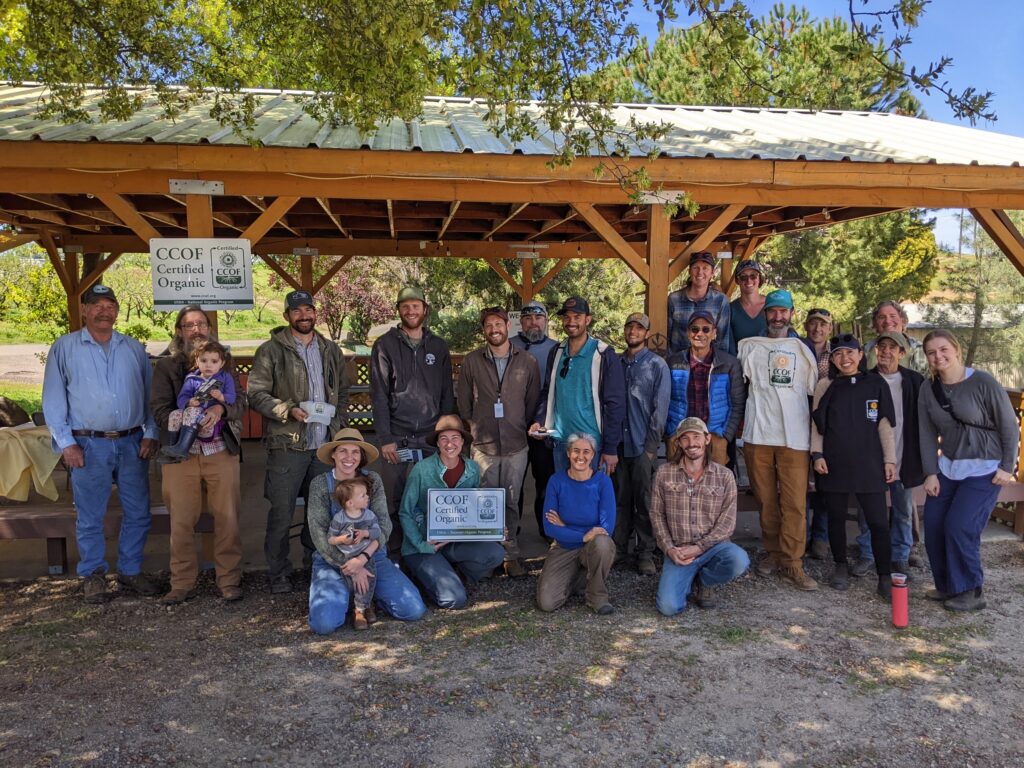
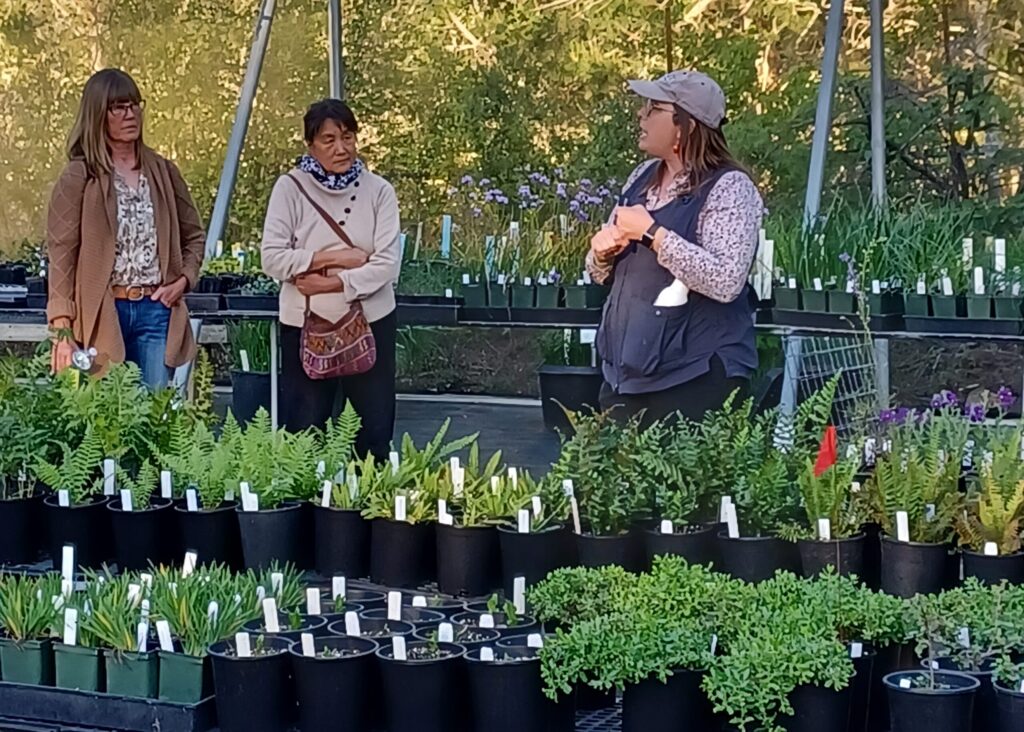
Photo from Central Coast chapter meeting 2024
CCOF’s Board of Directors recently approved updates to the CCOF chapter governance framework. CCOF members are required to approve some of these changes through a formal electronic vote. This article explains the changes, why they were made, and what, when, and how CCOF members will be asked to vote on changes.
Background
Before the USDA National Organic Program (NOP) was established, CCOF producers organized themselves into chapters that developed and enforced organic standards. When the NOP was established, this responsibility shifted to the USDA. CCOF retained the chapter system as its grassroots network—bringing producers together to discuss organic issues, connect with one another, learn from their peers, and build community.
Over time, however, the chapter structure was not updated to reflect this evolving role and participation declined. Feedback from chapter leaders indicated that administrative responsibilities, particularly banking and operational requirements, had become burdensome and that leaders wanted more support for community-building, events, and member engagement.
In response, CCOF’s Board of Directors, staff, and legal counsel conducted a review of the chapter system and identified three primary areas for improvement:
- Managing 15 separate chapter bank accounts created confusion, errors, and administrative complexity.
- Chapters had multiple elected leadership positions and regular vacancies, and the purpose of some roles was not always clear.
- Many chapter bylaws and agreements were outdated, inconsistent across chapters, or missing altogether.
The Board’s goals were to:
- Increase chapter participation and engagement.
- Reduce administrative responsibilities so chapter leaders can focus on networking, community building, and communicating their chapter’s needs to CCOF.
- Ensure chapter governance and operations remain legally compliant and supported by current governing documents.
Summary of Updates
In August 2026, the A summary of the substantial changes is as follows:
- Replaces 15 separate chapter bank accounts with a single CCOF-managed fund designated for chapter use. Each chapter may access funds annually to host or sponsor events.
- Clarifies that chapters are defined as unincorporated organizational units of CCOF rather than separate legal entities and operate under the supervision, authority, and control of CCOF.
- Requires chapters to elect a Chapter Representative, who serves as the director allocated to that chapter on CCOF’s Board of Directors. Chapters may also elect a Chapter President and establish leadership committees but are no longer required to maintain multiple officer positions such as vice president, secretary, and treasurer.
- Requires formal records only for elections, votes, and financial transactions, and no longer requires a formal annual meeting and meeting minutes.
The Board of Directors also adopted a new Chapter Agreement and Chapter Bylaws template that reflects these changes. These chapter-specific documents define the relationship between CCOF and individual chapters. Members in each chapter will vote to approve these new documents for their respective chapter.
Next Steps
Members will be asked to vote on the proposed Chapter Agreement and Chapter Bylaws during their chapter’s next regularly scheduled election. Chapter elections are held every three years.
The proposed documents are available for review upon request. Members who would like copies of the proposed documents or have questions about the changes are encouraged to contact Laetitia Benador at Lbenador@ccof.org.
Chapters Voting in 2026
- Humboldt–Trinity–Mendocino
- South Coast
- North Coast
- Yolo
- Sierra Gold
Chapters Voting in 2027
- Central Coast
- México
- Big Valley
- Kern
Chapters Voting in 2028
- At-Large
- Fresno-Tulare
- Processor/Handler
- Pacific Southwest
- San Luis Obispo
- North Valley